Ving Winston: The Elegant Script Font for Handmade Brands
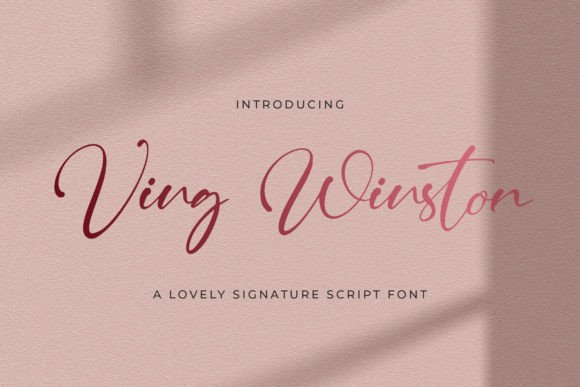
When you are designing physical products like labels, stickers, or invitations, the typography you choose does more than just convey information—it sets the tone for your entire brand. For many creators, especially those in the handmade and boutique spaces, there is a specific need for a typeface that feels personal yet polished. This is where Ving Winston shines. As a delicate, elegant, and flowing handwritten signature script font, it offers a unique blend of charm and professionalism that can elevate simple designs into premium-looking assets.
As a fellow crafter and seller, I know how crucial it is to find fonts that not only look beautiful on screen but also translate well to print and cut files. Ving Winston fits this niche perfectly. Its well-balanced characters make it versatile enough to match a wide pool of design styles, from rustic farmhouse aesthetics to modern minimalist branding. Whether you are creating SVG designs for Cricut or Silhouette users, or designing digital printables for Etsy, this script font adds a touch of sophistication that customers immediately recognize as high-quality.
Why Ving Winston Stands Out in Craft Design
The visual personality of Ving Winston is defined by its fluidity. Unlike rigid block letters or overly ornate calligraphy that can become hard to read at small sizes, this font strikes a balance between artistic flair and legibility. It mimics the natural flow of a human hand, giving your projects an authentic, crafted feel without looking messy. This is particularly important for product packaging and tags, where first impressions matter immensely.
For sellers of printable wall art, greeting cards, or wedding stationery, Ving Winston serves as an excellent display font. It draws the eye and creates an emotional connection with the viewer. When used correctly, it signals to the customer that care was put into the details of the product. In the competitive world of online marketplaces, this subtle cue of quality can be the difference between a casual browse and a purchase. The font’s elegance ensures that whether it is printed on a matte sticker or embossed on a kraft paper tag, it retains its integrity and appeal.
Practical Applications for Sellers and Creators
One of the most common questions crafters ask is where a specific script font works best. Ving Winston is incredibly adaptable. Here are several practical ways to incorporate it into your product line:
- Product Labels and Stickers: For candle makers, soap artisans, or jam producers, Ving Winston is perfect for main product names. Its delicate strokes look luxurious on glass jars or metal tins. However, remember to test the readability if you are making very small stickers; sometimes larger sizes are needed to maintain clarity.
- Invitations and Stationery: Wedding invites, baby shower cards, and formal event signage benefit greatly from the romantic vibe of this script. Use it for the recipient’s name or the event title to create a focal point.
- Home Decor and Signs: If you sell digital downloads for home decor, Ving Winston works beautifully for farmhouse-style quotes or nursery prints. Pair it with simple botanical illustrations for a trendy, cohesive look.
- Fashion Accessories: For tote bags, mugs, or shirts, this font adds a chic, boutique feel. It pairs exceptionally well with earthy tones or pastel color palettes often found in handmade fashion items.
Readability and Production Tips
While Ving Winston is elegant, it is essential to consider the medium of production. When preparing files for cutting machines, ensure that the curves are smooth and the connections between letters are intact. For smaller text elements, such as ingredient lists or care instructions on clothing tags, avoid using Ving Winston as the primary font. Instead, reserve it for headlines, titles, or short phrases. This approach maintains the aesthetic impact while ensuring your customers can easily read necessary information.
Another practical tip involves mockup previews. When showcasing your digital products or physical goods, use Ving Winston in your mockups to demonstrate how the font looks in context. A clean, white background often helps the delicate lines of the script pop, allowing potential buyers to appreciate the fine details before they purchase.
Strategic Font Pairing for Brand Consistency
No single font can do everything, and part of mastering modern typography is knowing how to pair different typefaces. Ving Winston, being a script font, pairs wonderfully with cleaner, simpler fonts to create contrast and hierarchy. Since it is delicate and flowing, it needs a sturdy companion to ground the design.
A classic and effective combination is pairing Ving Winston with a clean sans serif font. The geometric simplicity of a sans serif provides a modern backdrop that allows the handwritten charm of the script to stand out. This is ideal for boutique branding, where you might use the script for the logo or main header and the sans serif for body text or secondary details. Alternatively, pairing it with a bold serif font can create a timeless, editorial look suitable for high-end wedding invitations or luxury packaging design.
When building your brand identity, consistency is key. By sticking to a few well-chosen typefaces across all your products—from social media graphics to physical tags—you create a recognizable visual language. Customers will begin to associate the elegant flow of Ving Winston with your specific style, enhancing brand recall and loyalty.
Technical Considerations and Licensing
Before diving into design, it is wise to check the technical specifications included with the font file. Look for features such as alternates, ligatures, and swashes. These additional characters can add variety to your designs, preventing repetitive looks in longer texts or decorative borders. Multilingual support is another crucial factor; if you plan to sell internationally or include foreign words in your designs, ensure the font supports the necessary character sets.
File formats are equally important. Most professional design software requires TTF or OTF files, while some vector-based programs may prefer SVG outlines if you are converting text to paths for cutting. Always verify the compatibility of the font files with your preferred tools, whether that is Adobe Illustrator, Canva, or Procreate.
Finally, always review the commercial license. As a creator selling physical products, templates, or digital downloads, you need assurance that your use of Ving Winston is permitted under the chosen license. Many premium fonts offer licenses that cover merchandise sales, but terms vary. Understanding these guidelines protects your business and ensures you can focus on what you do best—creating beautiful, functional designs for your customers.
Incorporating Ving Winston into your workflow can significantly enhance the perceived value of your handmade goods. Its ability to blend elegance with usability makes it a valuable asset for any crafter looking to refine their aesthetic and attract discerning buyers. By using it thoughtfully and pairing it strategically, you can create designs that are not only visually stunning but also commercially successful.